


WORTH KNOWING

Garnet has fascinated humanity for millennia! Because of its hardness, garnet was used for fire-making as early as the Stone Age. Garnets were used as a gemstone in the ancient empires of Mesopotamia and Egypt. Both the Greeks and the Romans valued its red fire. Pliny the Elder (23 BC – 79 AD) called it “carbunculus” (carbuncle).
THE TREASURE FROM THE NOCKBERG MOUNTAINS
The Millstätter Alpe is considered a treasure mountain, as beneath its green carpet lies the largest garnet deposit in the Alps. An impressive symbol of this is the Garnet Gate, erected on the Millstätter Alm.
DID YOU KNOW THAT…
Garnet – the name comes from the Latin (“granum” = grain, “granatus” = granular). No wonder: Its structure and color are reminiscent of the juicy seeds of a pomegranate!
Garnet represents joie de vivre, vitality, and determination. It is said to provide energy, stimulate the cardiovascular system, and activate inner reserves of strength. A true power stone for more self-confidence and zest for life!
Bohemian garnet or just glass? Do the light test! Hold the stone up to daylight: Genuine garnet shimmers dark red from above, then brownish when viewed through. Glass? No change.
Wind and weather shape garnets into spheres that lie along the alpine paths of the Millstätter Alpe. Mined directly from the mica schist, the stone reveals its natural beauty. At the Granatium Garnet Experience World, you can mine and grind the stones yourself, or have them polished by a garnet grinder.
The name says it all: “Demantoid” means diamond-like luster—and that’s precisely what makes it so special. This variety of the garnet mineral andradite is not only rare but also the most expensive of its kind. Since its discovery in Russia in 1853, it has been considered one of the most valuable gemstones in existence.
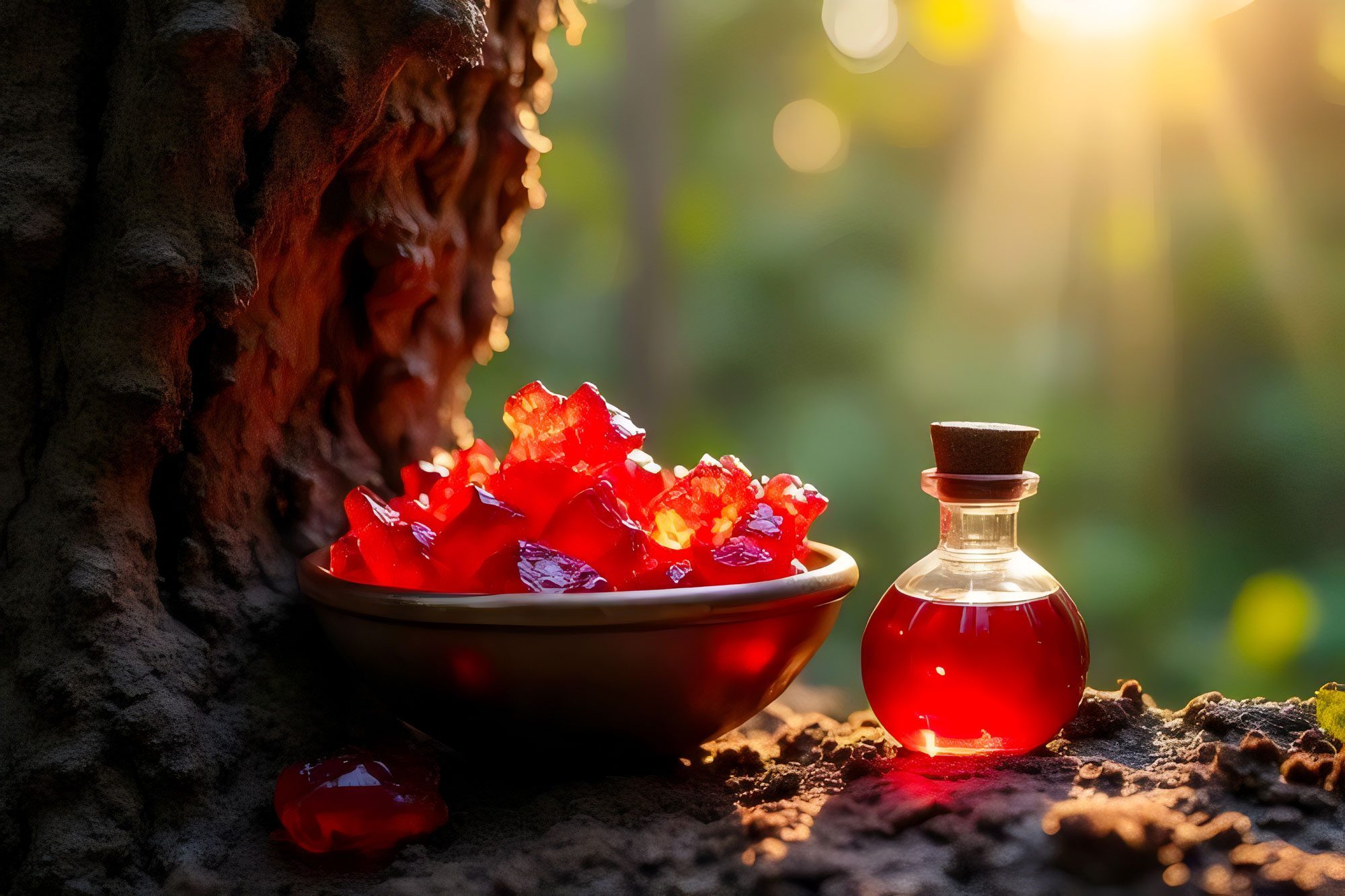
In the Middle Ages, the carbuncle was a real myth – and because of its fiery red color, it was even venerated as the “drop of Christ’s blood.”
The Garnet Tunnel is unique in Europe—the only accessible garnet vein! Immerse yourself in the fascinating world of this gemstone and experience firsthand how garnet occurs in its natural environment.
With a hardness of 6.5 to 7.5, garnets are relatively hard gemstones that can be used in any type of jewelry. Due to their attractive coloring, garnets have always been the most widely used gemstones.
Garnet comes in many varieties and from many corners of the world. Whether from India, Kenya, Madagascar, Mozambique, Nigeria, Sri Lanka, or Tanzania, each origin lends it its own unique flavor.
Garnet isn’t just fiery red—it comes in many colors! Depending on its chemical composition, it can have the following shades:

IF YOU WANT TO KNOW EXACTLY – ABOUT THE HISTORY
Where does the word garnet come from?
In 1250, Albertus Magnus first mentioned the name garnet in his work “De mineralibus.” It is derived from the Latin word “granum,” meaning grain. The Migration Period and the early Middle Ages led to the first heyday of garnet processing. Garnet flakes, often only 1 mm thick, were inlaid with gold using the cell technique. This eastern tradition was adopted by the Huns, Avars, Gepids, and Visigoths and Ostrogoths into the Germanic kingdoms. Garnet was a primary ornamental stone for the Lombards, Franks, and Merovingians.
Garnet heyday
By establishing a stone-grinding center in Prague, Rudolf II initiated a new golden age of garnet mining. The best stone cutters of his time (from Freiburg and the Miseroni family from Milan) worked at his court. A new center for garnet processing emerged in Turnau, Bohemia. There was an abundant deposit of intensely red but very small garnets. At that time, up to 10,000 people were employed.
Decline of industry
New deposits in South Africa, where garnets were produced as a byproduct of diamond placer mining (Cape rubies), and a change in jewelry fashion led to the decline of this industry. The large centers of the garnet cutting industry in Turnow (Turnau) and Gablonz later gave rise to the glass jewelry industry (strass jewelry).
THE COLORFUL WORLD OF GARNET

Garnet isn’t just fiery red—it comes in many colors! Depending on its chemical composition, it can have the following shades:
- Red & Dark Red – (Pyrope, Almandine) The classic!
- Orange & Yellow – (Spessartine, Grossular) Bright & warm!
- Green – (Tsavorite, Uvarovite, Andradite) Rare & fascinating!
- Colorless to white – (Leuko Garnet) Noble & subtle!
- Violet – (Rare mixed forms) Mystical & elegant!
- Black – (Melanite, Andradite) Deep & mysterious!
Blue is the only color that natural garnets do not have – but all the other colors make it one of the most versatile gemstones of all.
Almandine - the most common garnet

Almandine is the most common type of garnet and is found worldwide in cuttable crystals. Garnets from Radenthein also mostly consist of almandine with pyrope. Since most gemstone garnets are almandine, we automatically associate garnet with carbuncle red. Strictly speaking, however, “garnet” is the umbrella term for an entire mineral family.
Grossular - the colorful garnet
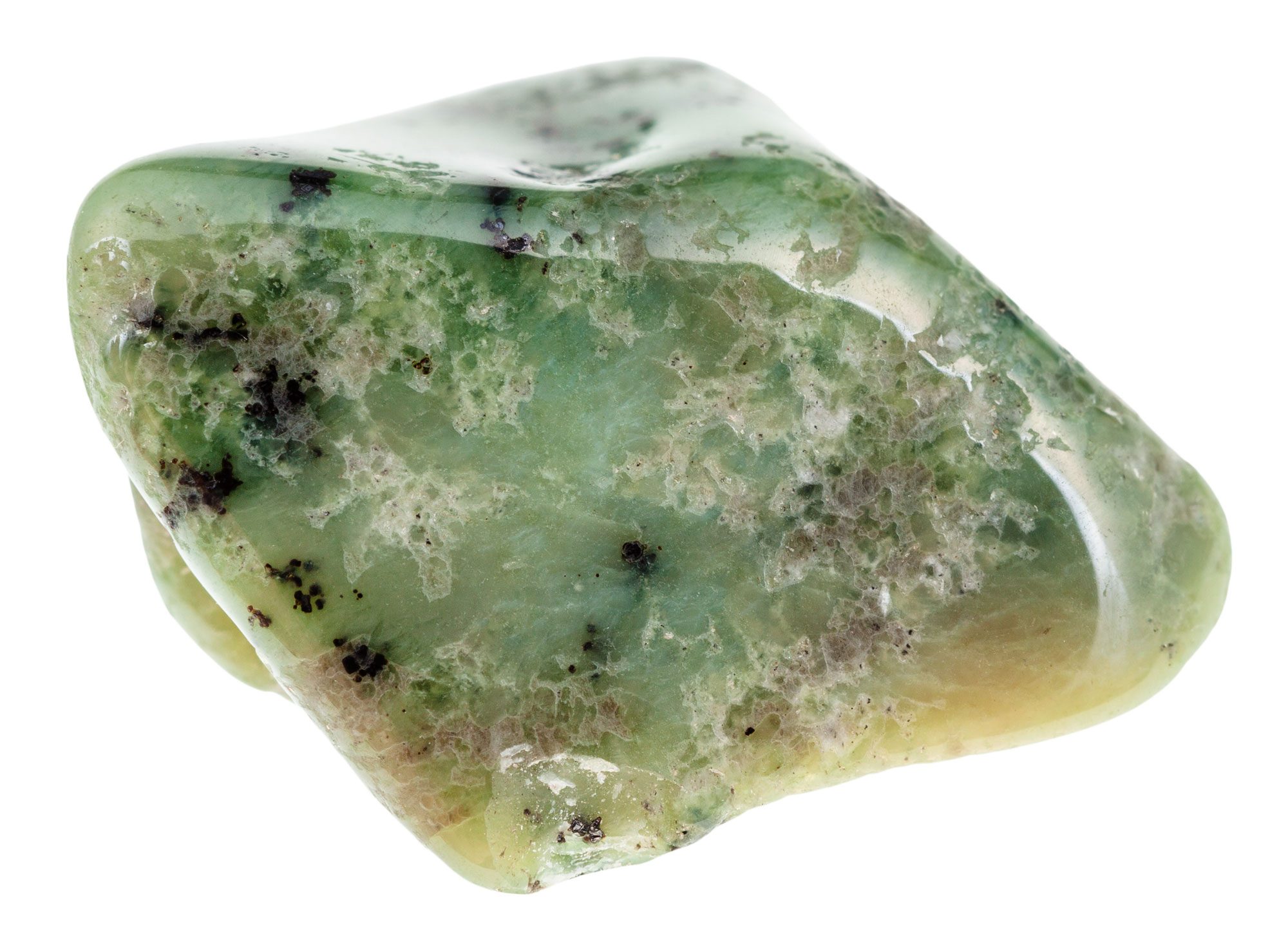
Uvarovite - the rare emerald garnet
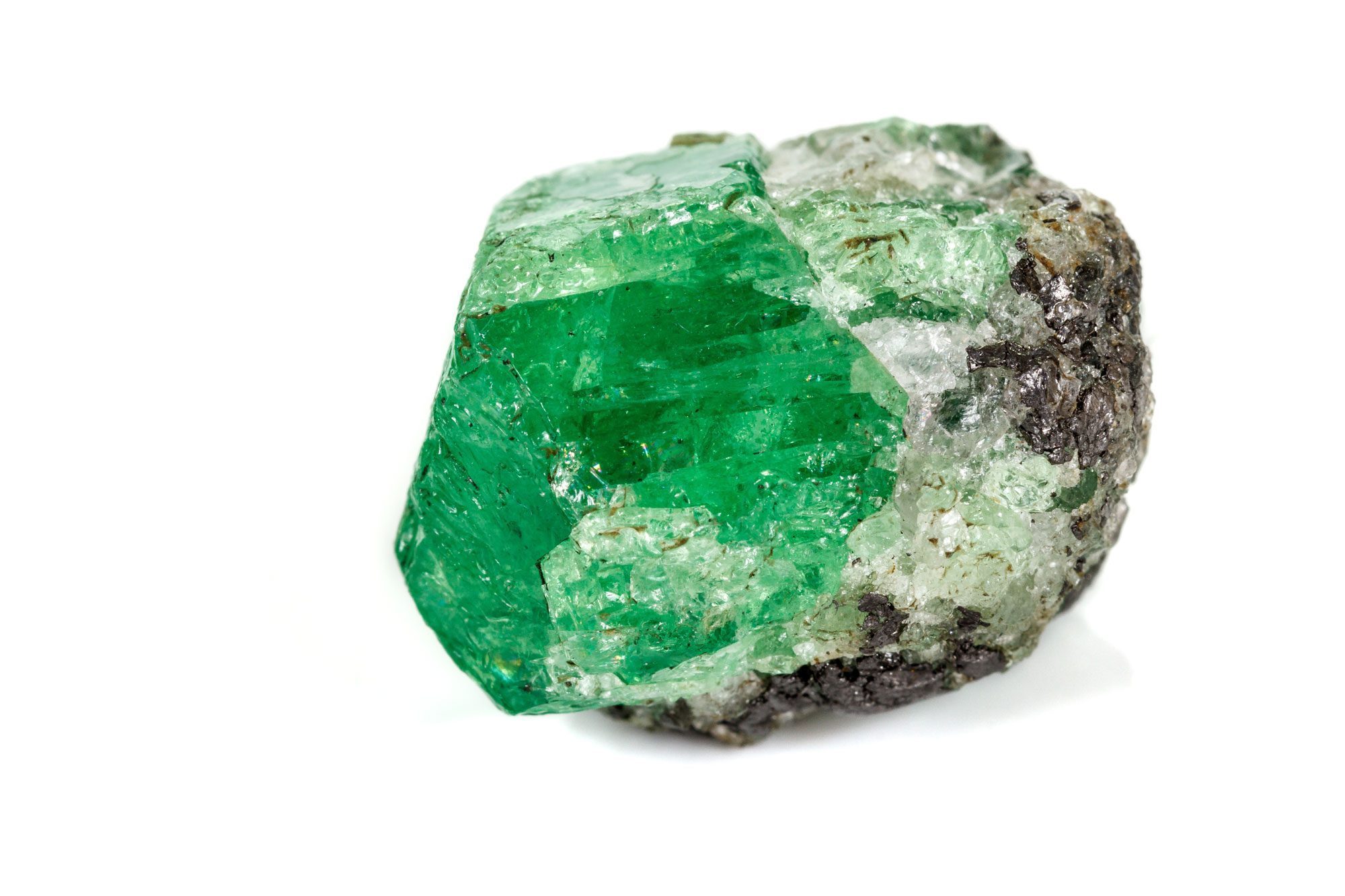
The rare uvarovite owes its intense emerald green color to its high chromium content. It is found primarily in Russia, Finland, and Canada, but usually forms only tiny crystals that are rarely suitable for jewelry. A true collector’s item!
Demantoid - the king of garnets
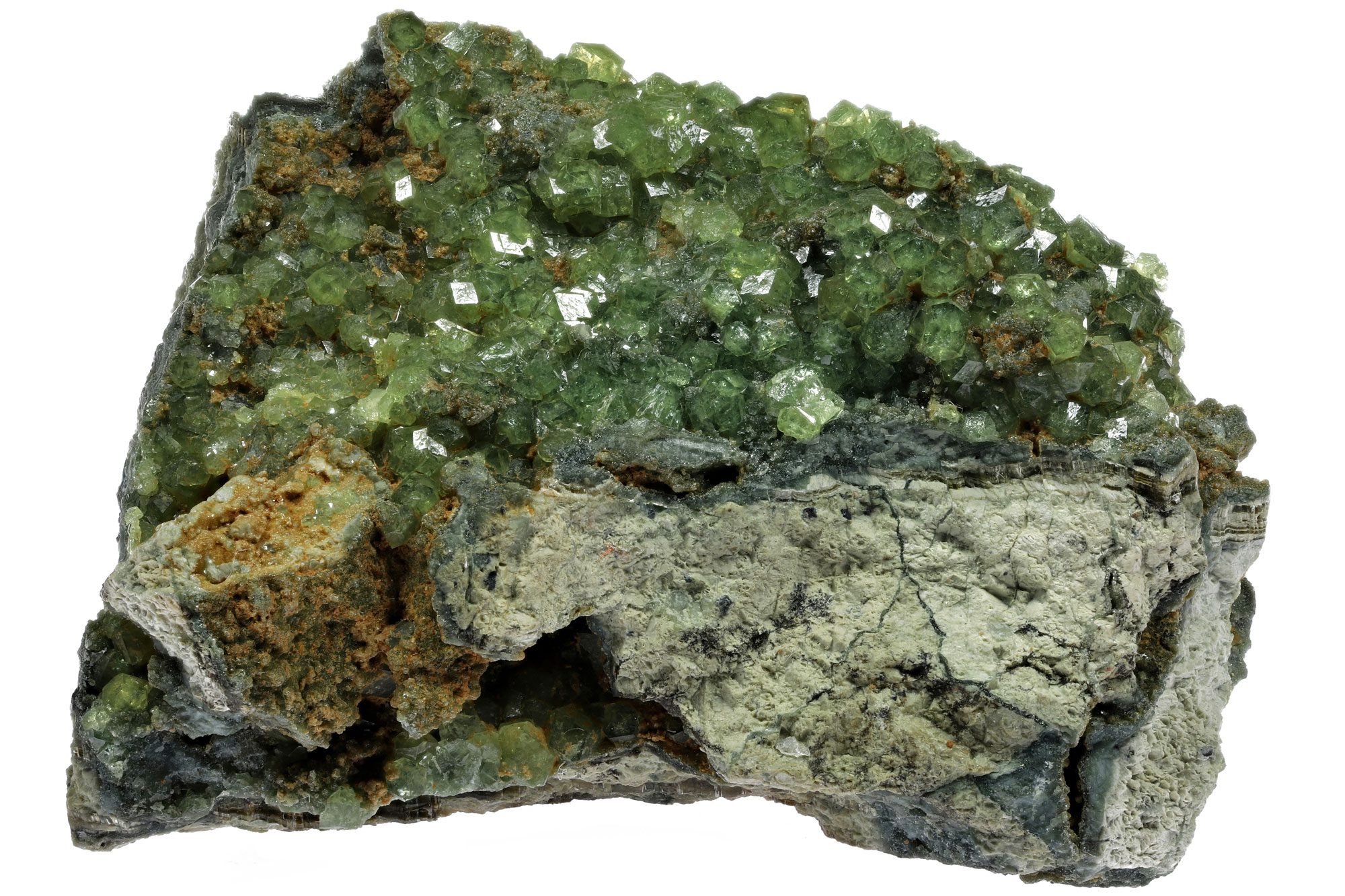
Demantoid, named for its diamond-like luster, is the most expensive garnet variety. It owes its vibrant green color (ranging from light green to emerald green) to its chromium content. Discovered in Russia in 1853, it quickly became Fabergé’s favorite stone and adorned the jewels of the royal family. A rare treasure among gemstones!
Spessartine - the fiery orange garnet
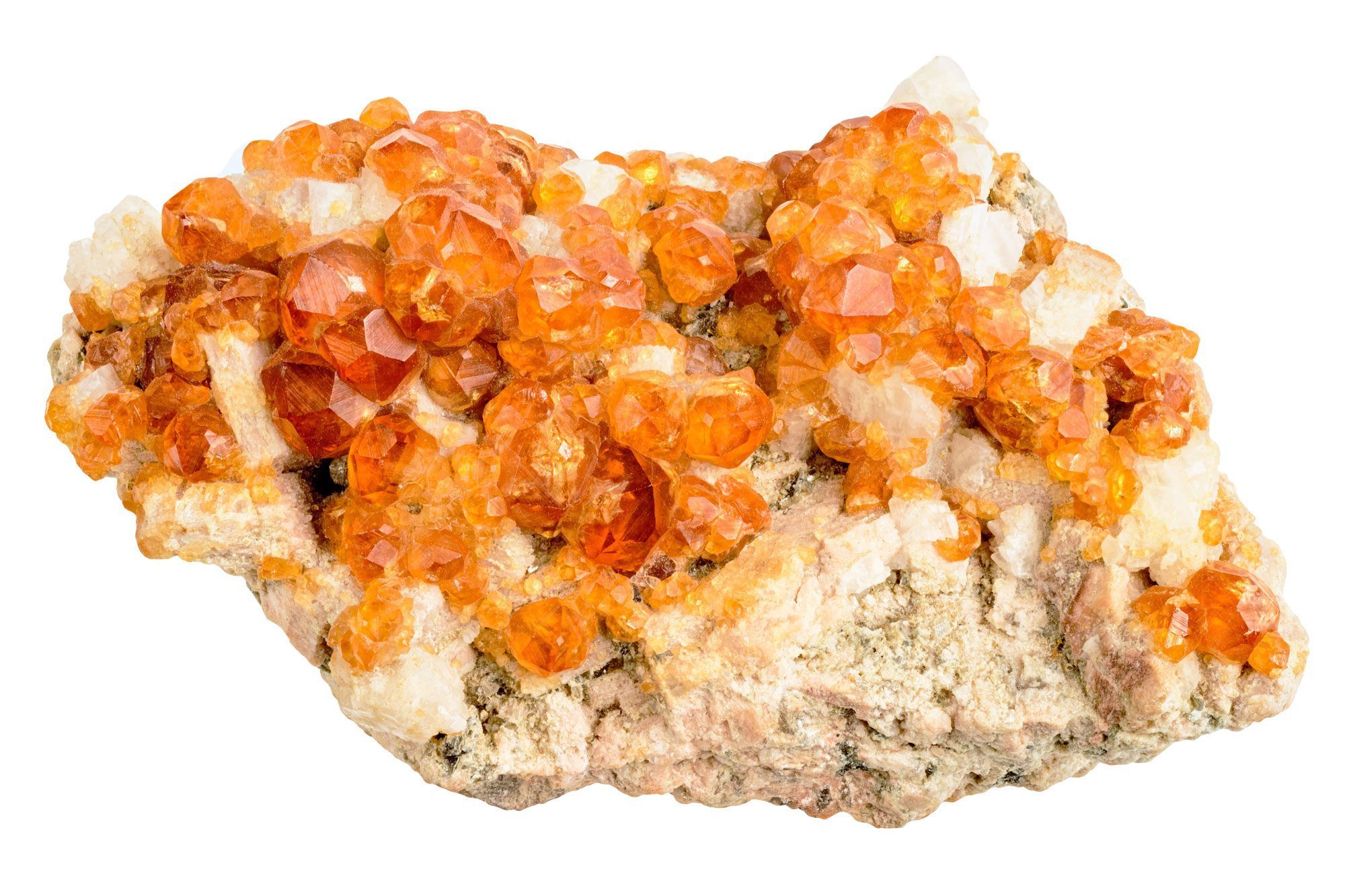
It’s rare and highly sought-after, especially from Madagascar, Nigeria, and Brazil. A real eye-catcher among garnets!
Pyrope - the ``Bohemian Garnet``

Pyrope is known as “Bohemian garnet.” In the past, Radentheiner garnet was often used for Bohemian garnet jewelry.
Andradite - the versatile garnet

Andradite is also known as calcium iron garnet or lime iron garnet. Its typical color is yellowish-grey to dark straw-yellow.
THE MYSTICAL POWER OF GARNET
- Strengthens the heart & preserves the fire of friendship
- Strengthens self-confidence, vitality & willpower (especially worn around the neck)
- Protects against nightmares – Native Americans used it in dream catchers
- It is supposed to stop bleeding – therefore the crusaders wore it as a protective stone
- In Buddhism it is considered a healing stone that illuminates the soul and strengthens positive traits
Curious? Then discover the world of garnet – visit us at the Granatium!
WHY THE GARNET IS CALLED “BLOOD DROP OF THE NOCKBERGE”
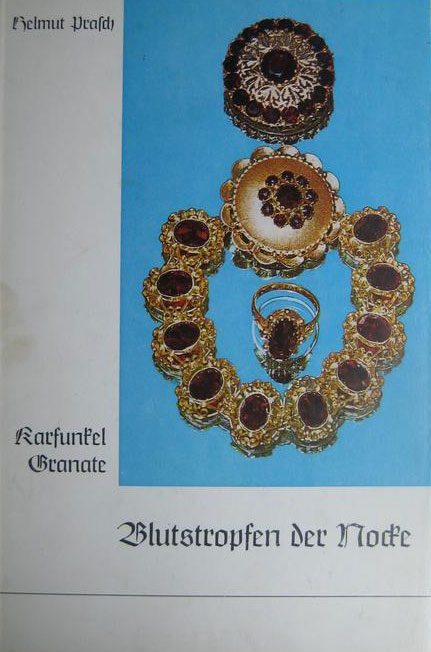
Helmut Prasch, the author of many local history writings, tells in one of his books “Blood Drops of the Nocke” of the time of legends and fairy tales, when “people whispered that in the Nockberge, because of their treasures, human powers had once clashed so much that the beautiful “blood drops” (cabbage roses) bloomed as fragrant, deep red blossoms, to give a legendary hint that even more of the blood drops had turned to stone, namely into dark red garnets, grown beneath the mats of the primeval Nocke”.
That’s why, when we speak of garnets in the Nockberge, we also speak of the Nockberge’s blood drops. A legend also tells of the “Hadic people,” fearsome giants who waged terrible wars against each other, and that garnets are the petrified blood drops of such battles.
Adventure Worlds in the Granatium
Garnet Museum
The exhibition takes you on an exciting journey into the world of garnet. You’ll experience the history of this fascinating stone firsthand!
The tunnel
The 300 m long tunnel takes you into the underground home of the gemstone. Discover a crystal-clear lake and impressive veins of pyrite and garnet – a real adventure!
The mining area
The mining area is the highlight of the Granatium. Here, everything you have heard and seen before comes to life – with the right tools, you can even uncover gemstones from the rock!
The garnet room
In the garnet room, you will find a room whose walls are covered with wafer-thin slabs of garnet stone. The clever backlighting creates a spectacular play of colors that showcases the magic of this precious stone.
The Shop
Jewelry, cosmetics, fine chocolates and sparkling gemstones – you can find it all in the Granatium Shop on the 1st floor. Let yourself be enchanted!